01
Step 01
THREE SHORT GUIDED ACTIVITIES:
Reflect on the current culture, prioritise a weakness and draft an improvement action. These are included in the 130 minutes of facilitated learning.

About the webinar
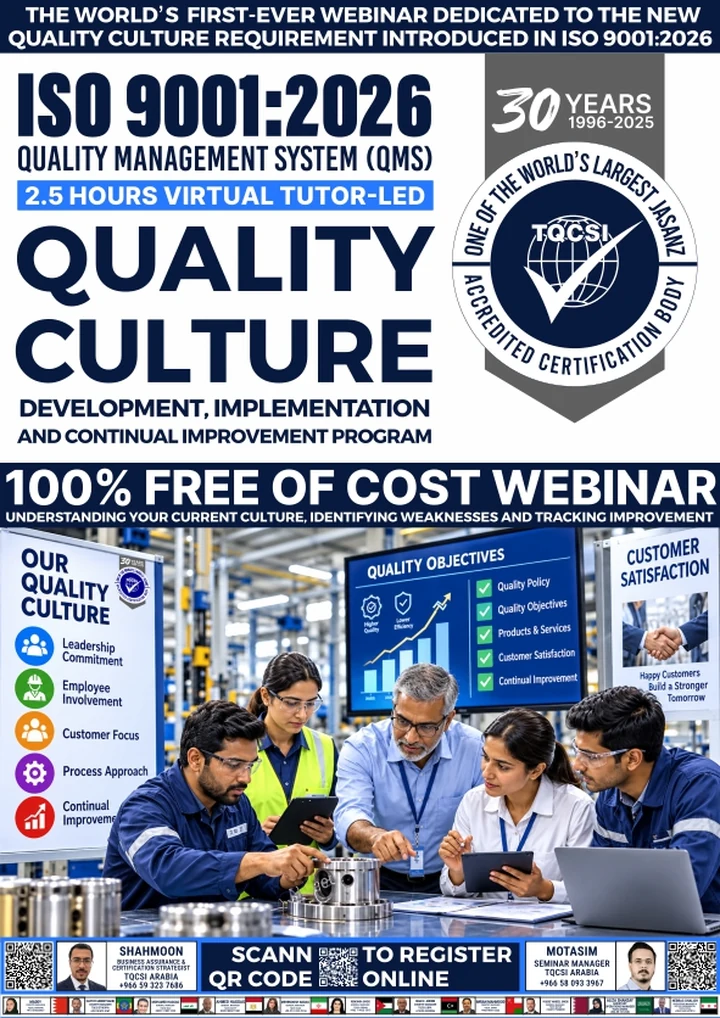
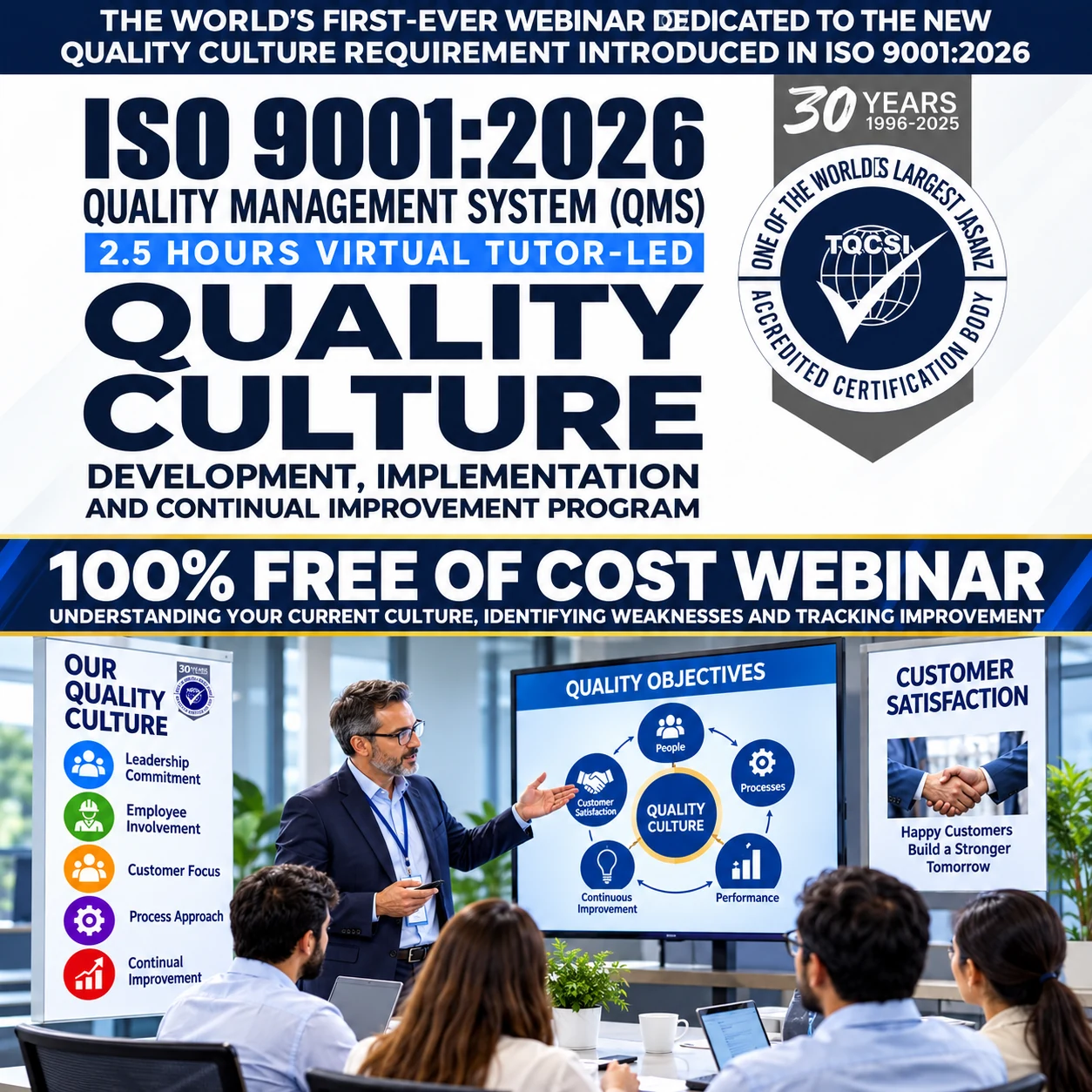
Translate ISO 9001:2026 quality culture expectations into practical leadership and workplace action.
Quality culture becomes visible in the decisions people make, the concerns they raise, the standards they uphold and the way teams respond when something goes wrong. Developing that culture requires consistent leadership, clear expectations and working arrangements that help employees deliver quality under everyday operational pressure.
ISO 9001:2026 strengthens the focus on quality culture and ethical behaviour within leadership and employee awareness. This webinar explains how organisations can translate that focus into practical actions within their existing quality management system. Relevant requirements will be distinguished from examples of implementation methods.
During this 2.5-hour live session, participants will explore how to understand their current culture, identify weaknesses, define desired behaviours, implement targeted improvements and review progress. Worked examples will connect leadership decisions, employee feedback, workplace observations and quality performance information.
The webinar is suitable for organisations of all sizes and sectors. It provides an approach that participants can adapt to their own responsibilities, processes and organisational circumstances. Familiarity with basic quality management concepts is helpful; advanced auditing qualifications are not a prerequisite.
At a glance

ISO 9001:2026 Quality Management System — Quality Culture Development, Implementation and Continual Improvement

Quality culture, leadership and awareness within ISO 9001:2026

Practical awareness and implementation guidance for leaders, managers and professionals
TQCSI Arabia

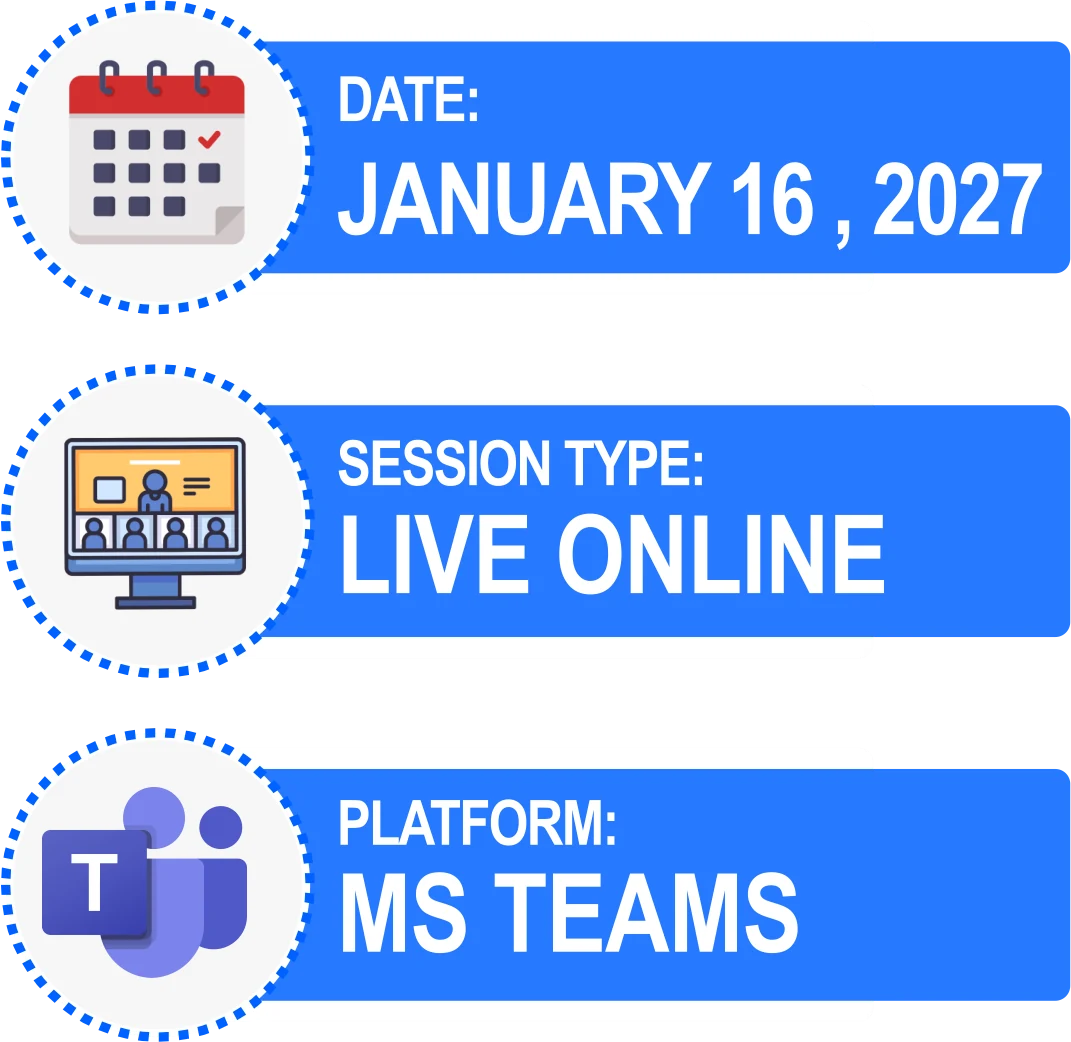
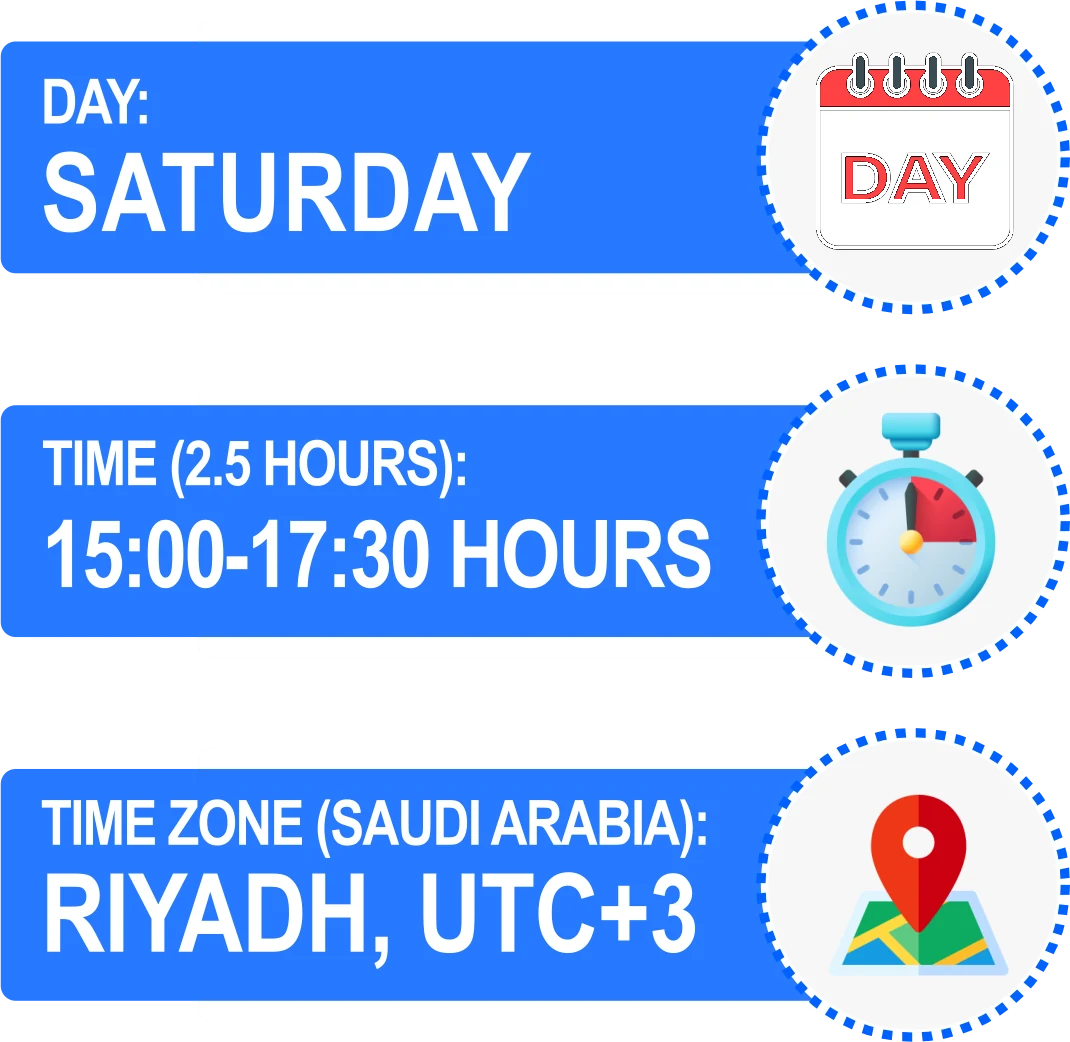
Saturday January 16, 2027

Online · Live and tutor-led · Using Microsoft Teams

15:00–17:30 Saudi Arabia time, UTC+3

2.5 hours (150 minutes)

130 minutes (Including explanations, demonstrations and embedded activities)

15 minutes

5 minutes

Free of charge for confirmed participants

Electronic Certificate of Participation Issued by TQCSI Arabia Subject to verified attendance
How you will learn
Reflect on the current culture, prioritise a weakness and draft an improvement action. These are included in the 130 minutes of facilitated learning.
Examine a quality concern raised shortly before a delivery deadline and consider leadership responses, escalation, communication and follow-up.
Reinforce understanding through live questions or polls. These support learning and carry no pass mark.
Spend approximately 10 minutes reflecting on how quality concerns are raised and addressed in your organisation. Bring one general example without confidential or personal information.
Spend approximately 30 minutes adapting a 30-60-90 day action outline to your workplace. This activity is outside the advertised live webinar duration.

Takeaways

Webinar presentation handout

Quality culture self-assessment and evidence checklist.

Indicator selection and progress-review sheet

Optional 30-60-90 day workplace action outline

Learning-check questions with explanations

Desired behaviours and responsibilities worksheet.

Improvement action-plan template.
What we aim to achieve
Explain how shared expectations, leadership decisions and everyday behaviours influence quality outcomes.
Explain the relevant leadership and awareness themes, including ethical behaviour, while distinguishing requirements from optional tools.
Introduce ways to combine employee feedback, workplace observations, discussions and existing quality information.
Examine unclear responsibilities, conflicting priorities, poor escalation and ineffective follow-up.
Translate quality commitments into observable behaviours and responsibilities for leaders, managers and employees.
Demonstrate how induction, supervision, meetings, communication and problem-solving can reinforce quality culture.
Select indicators and examine whether implemented actions improve working practices and results.
Develop a practical sequence for reviewing findings, assigning actions, checking effectiveness and adjusting the approach.
By the end of the webinar
Participants should be able to apply these capabilities in their own organisation.
Who should attend
Leaders and professionals responsible for quality, people, operations and continual improvement.

Quality directors, quality managers and quality assurance managers

Business excellence, operational excellence and continual improvement leaders

Compliance, governance, risk and regulatory affairs professionals

Process owners and department heads

Production, manufacturing and process engineering professionals

Procurement, supply chain and supplier quality professionals

Human resources, learning and development, competence and organisational development teams

Senior executives and top management representatives

QMS representatives, coordinators and system administrators

Internal auditors, lead auditors and integrated management system auditors

Plant, site, operations and service delivery managers

Customer experience and service quality managers

Design, development, research and innovation professionals

Project managers, PMO teams and change management professionals

IT, digital transformation, data governance and document control professionals

Consultants and trainers supporting quality management and organisational improvement
Eight focused modules
A practical sequence from understanding quality culture to demonstrating improvement in the first 90 days.
Saturday · 16 January 2027 · UTC+3
130 minutes of facilitated learning, a 5-minute break and 15 minutes of discussion.
All times are Saudi Arabia time, UTC+3. 130 minutes of facilitated learning and application, 5-minute break and 15-minute discussion.
| No. | Time (KSA) | Min | Session and practical focus |
|---|---|---|---|
| 01 | 15:00 – 15:20 | 20 | Welcome and Module 1 — Quality culture in the ISO 9001:2026 context, leadership, awareness and ethical behaviour |
| 02 | 15:20 – 15:45 | 25 | Module 2 — Assessing the current culture, with a guided reflection and demonstration of an evidence checklist |
| 03 | 15:45 – 16:00 | 15 | Module 3 — Identifying and prioritising weaknesses using a workplace scenario |
| 04 | 16:00 – 16:15 | 15 | Module 4 — Defining desired behaviours, leadership expectations and responsibilities |
| 05 | 16:15 – 16:20 | 5 | Comfort break |
| 06 | 16:20 – 16:40 | 20 | Module 5 — Implementing improvements and developing a practical action plan |
| 07 | 16:40 – 16:55 | 15 | Module 6 — Selecting indicators and interpreting changes in behaviour and performance |
| 08 | 16:55 – 17:05 | 10 | Module 7 — Demonstrating implementation through observations, discussions and evidence |
| 09 | 17:05 – 17:15 | 10 | Module 8 — Continual improvement and an initial 30-60-90 day action outline |
| 10 | 17:15 – 17:30 | 15 | Live questions, practical discussion and closing remarks |
| 11 | Total | 150 | Full live webinar duration |
Before you apply
Places are subject to the webinar's available capacity. Early registration is encouraged; submitting an expression of interest does not guarantee a place.
Applications will normally be reviewed in the order received, subject to completeness, relevance and seat availability.
The webinar is intended for people involved in quality management, customer satisfaction, operations, people development, audit or organisational improvement.
Where demand exceeds capacity, priority may be given to participants whose responsibilities enable them to apply or share the learning.
TQCSI Arabia welcomes relevant professionals from different locations. Any specific regional allocation will be communicated clearly if it applies.
Applicants should be available for the full session on January 16, 2027 (Saturday), from 15:00 to 17:30 Saudi Arabia time, with a suitable device and reliable internet connection.
Registration, webinar participation and the electronic participation certificate are free of charge. Certificate issuance is subject to attendance verification.
The organiser will review applications and issue confirmation and joining instructions to accepted participants.
Participants are expected to engage respectfully, protect confidential workplace information and follow the organiser's access and participation instructions. TQCSI Arabia is committed to fair registration administration and a professional, inclusive learning environment.
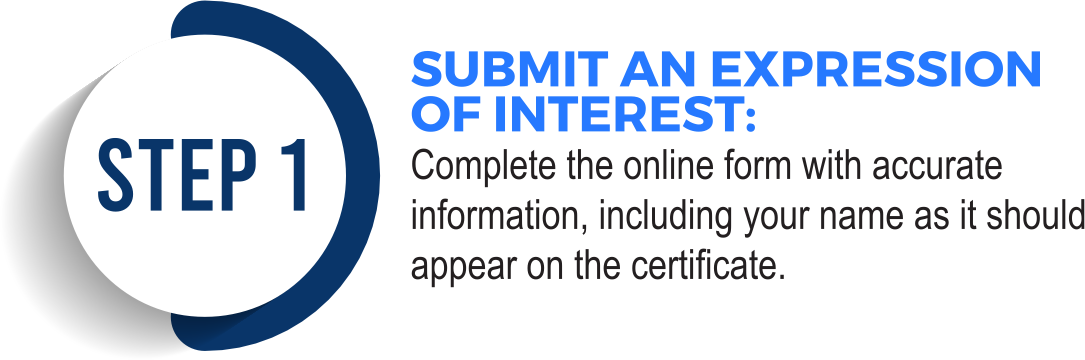
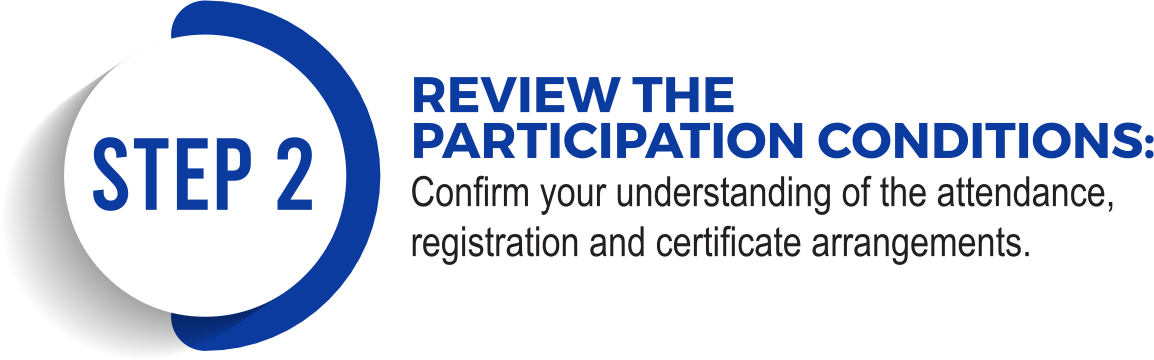
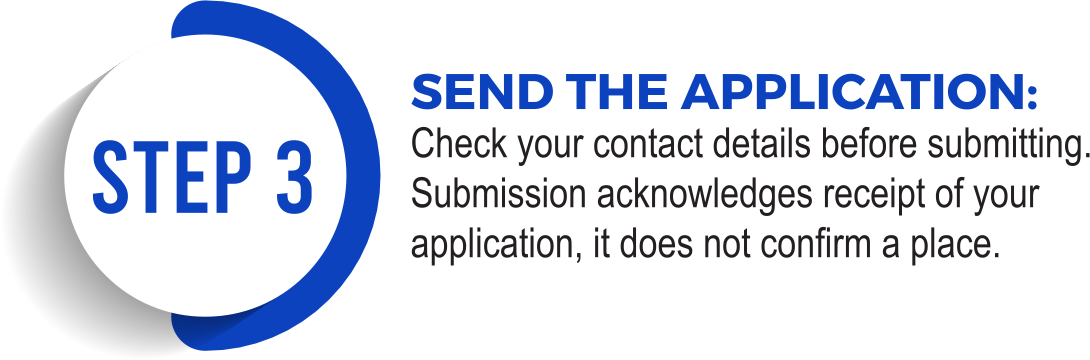
From interest to enrolment
A clear step-by-step process from expression of interest to confirmed enrolment.

Session essentials
Recognition of attendance
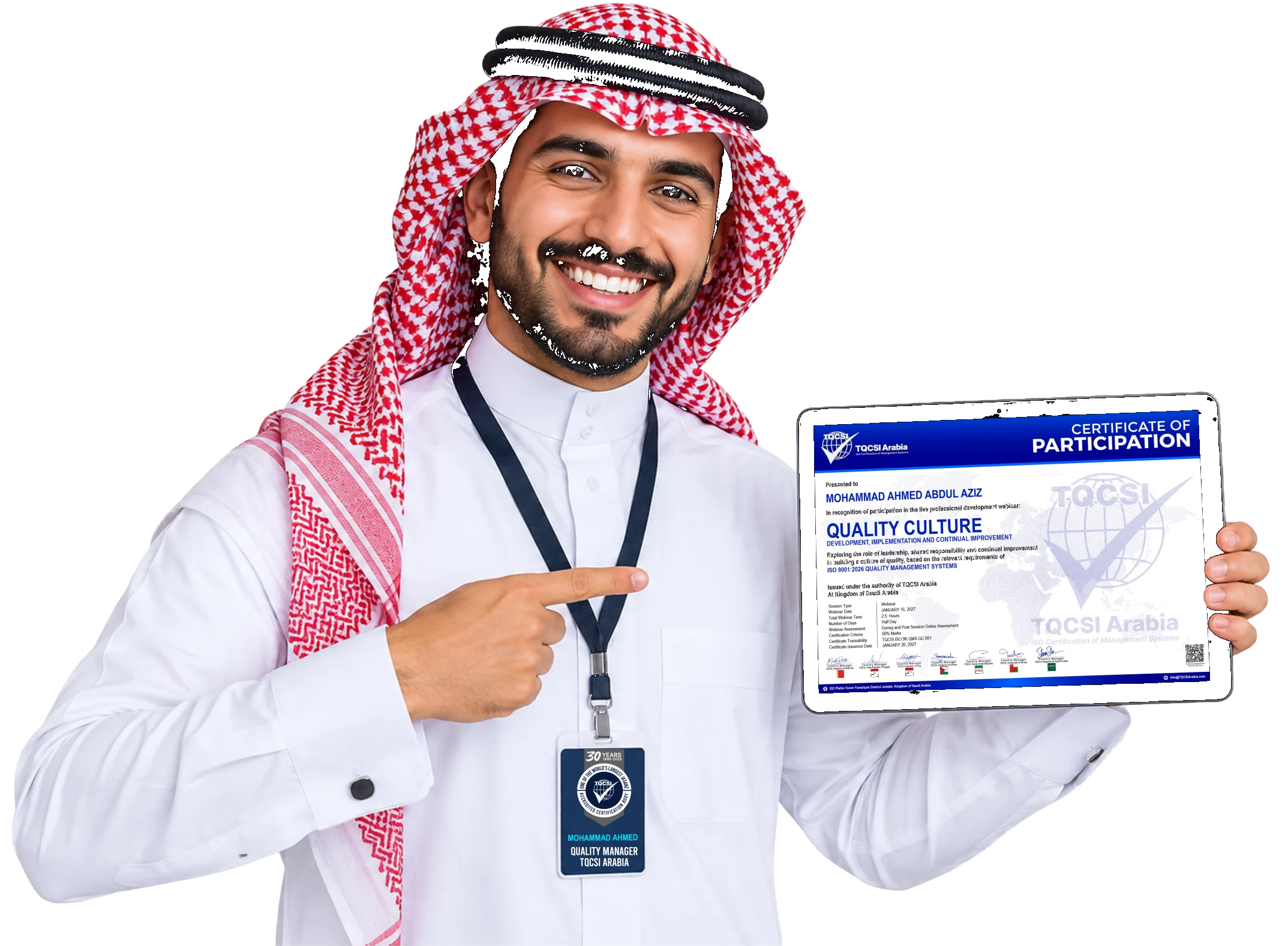
Verified attendees receive an electronic certificate issued by TQCSI Arabia after the live Quality Culture webinar.
Participants who complete the full live webinar and whose attendance is verified by TQCSI Arabia will receive an electronic Certificate of Participation.
Use your registered name and follow the identification instructions to ensure accurate attendance matching.
The certificate confirms participation in this professional development webinar. It does not qualify participants as Quality Culture Practitioners or certify an organisation to ISO 9001.
Learning checks are designed to reinforce understanding and are not a pass-or-fail examination.
Meet the tutors
Experienced TQCSI leaders guiding the Quality Culture webinar with practical certification and organisational insight.

General Manager, TQCSI Iraq
With over 20 years of experience, Mohammed is a management systems executive, lead auditor and internationally approved tutor. Founder and Managing Director of United Certification Service, with approvals from CQI/IRCA, Exemplar Global and HABC across Iraq, the Gulf and Africa.
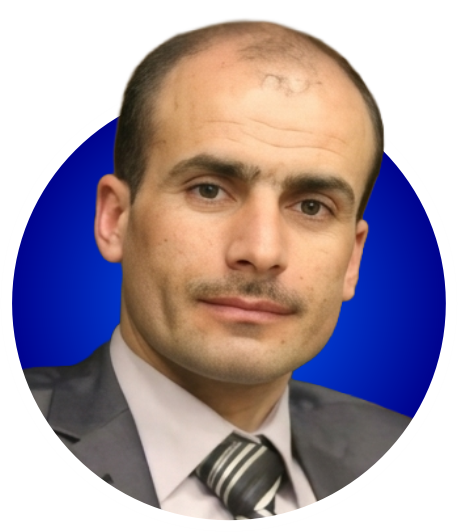
General Manager, TQCSI Syria
With over 17 years spanning education and quality management, Maxim is a Lead Auditor for multiple ISO standards. He provides strategic leadership for TQCSI Syria, manages legal partnerships and represents the organisation publicly.

Certification Manager, TQCSI Jordan
Food Safety and Quality Management professional with 15+ years’ experience. Auditor and Certification Manager at TQCSI–Jordan for ISO 22000, FSSC 22000, ISO 9001 and HACCP. IRCA-certified Lead Auditor with collaborations including WFP and World Vision.

Chief Executive Officer, TQCSI Arabia
Visionary business leader focused on sustained growth and operational excellence. Under his direction, TQCSI Arabia has strengthened its frameworks, expanded regionally and built partnerships grounded in quality, accountability and continuous improvement.
Programme materials
Get the programme brochure. Enrolment is 100% free of cost and subject to TQCSI Arabia review.
Need help registering?
For registration support, corporate reservations, or local QMS inquiries, contact our TQCSI executive strategists and regional country directors across the Middle East and Africa.