

Facilities Management Fundamentals
Facilities teams need to balance building performance, occupant needs, service quality and operating cost. This practical programme introduces the management of hard and soft services, asset information, maintenance priorities…
- Category
- Engineering and Operations
- Delivery region
- Saudi Arabia, GCC and MENA
Programme Summary
Facilities teams need to balance building performance, occupant needs, service quality and operating cost. This practical programme introduces the management of hard and soft services, asset information, maintenance priorities, contractors, budgets and service measures. Participants use a representative facility case to organise responsibilities, evaluate service risks and produce an actionable improvement plan grounded in operational evidence.
Training Objectives
1 Strengthen understanding of integrated facilities management responsibilities; 2 Improve alignment between facilities services and business needs; 3 Develop practical maintenance and service planning approaches; 4 Promote informed contractor and resource management decisions; 5 Build confidence in monitoring facility service performance.
Learning Outcomes
1 Map facility services and assign accountable service owners; 2 Prioritise maintenance tasks using provided condition information; 3 Draft measurable service levels for a selected contract; 4 Calculate basic operating cost and performance indicators; 5 Present an evidence based facility improvement plan.
Target Audience
Facilities Coordinators; Facilities Supervisors; Property Administrators; Maintenance Planners; Workplace Services Officers; Contract Managers.
Target Industries
Commercial Property; Healthcare Facilities; Hospitality; Education Campuses; Manufacturing Facilities; Retail Property.
Course Contents
- Module 1 Facilities Management Context: Business needs and service boundaries; Hard services and soft services; Responsibilities across the facility lifecycle.
- Module 2 Occupants and Stakeholders: Occupant expectations and service needs; Accessibility and workplace usability considerations; Stakeholder communication and feedback channels.
- Module 3 Asset Information: Asset registers and equipment hierarchy; Critical assets and condition information; Drawing and maintenance record control.
- Module 4 Building Services Overview: Electrical and mechanical service interfaces; Water systems and building fabric; Escalation to competent technical specialists.
- Module 5 Maintenance Coordination: Planned maintenance and reactive response; Work orders and maintenance priorities; Backlog control and service continuity.
- Module 6 Soft Service Delivery: Cleaning and housekeeping service specifications; Security and reception service interfaces; Waste collection and landscape coordination.
- Module 7 Contractor Management: Scope definition and contractor selection; Access arrangements and work coordination; Service verification and contractor review.
- Module 8 Service Levels and Performance: Service levels and measurable indicators; Helpdesk classification and response tracking; Complaint trends and corrective followup.
- Module 9 Budgets and Commercial Control: Operating budgets and expenditure categories; Lifecycle cost and replacement options; Invoice checks and variance explanations.
- Module 10 Risk and Continuity: Facility risk identification and escalation; Emergency arrangements and business interfaces; Inspection obligations and compliance registers.
- Module 11 Resource Efficiency: Energy and water consumption baselines; Occupancy patterns and resource demand; Prioritising practical efficiency improvement opportunities.
- Module 12 Integrated Facility Planning: Service improvement priorities and ownership; Implementation milestones and review arrangements; Presenting the facility improvement case.
Assessment
- 60 single best answer questions, including applied scenarios; one mark per question.
- 90 minute invigilated digital examination with identity verification. Approved accessibility adjustments preserve the assessed competence.
- Closed book; calculator permitted where relevant. Internet and AI assistance prohibited.
- Individual applied assessment (45 minutes): Using a supplied facility case, prepare a prioritised service improvement sheet covering five issues, proposed service measures, responsible roles and a basic resource estimate. Explain the priority order and specialist escalation needs.
- Assessment criteria: Risk and service priority justification; Clarity of service measures and accountability; Feasibility of the improvement actions.
- Pass each component separately: 45/60 written marks (75%) and at least 70% on the applied task.
- Individual results and feedback are provided. One reassessment may follow coaching under the published enrolment terms.
Certification
- Successful learners receive a TQCSI Arabia digital Certificate of Successful Completion.
- The certificate records the learner name, exact programme title, teaching hours, completion date and unique verification reference.
- Verified identity, full attendance and separate written and applied passes are required; all mandatory critical criteria must be met.
- Proposed issue target: within 30 calendar days of approved results and settlement of applicable fees.
- Records assessed facilities management fundamentals; it does not confer professional designation or statutory dutyholder appointment.
- Attendance confirmation may record completed hours for unsuccessful learners; it does not certify successful completion.
Programme Profile
- Number of daysNumber of daysNumber of days
- 333
- Total teaching hoursTotal teaching hoursTotal teaching hours
- 18 hours; breaks, pre course work and formal final assessments excluded.18 hours; breaks, pre course work and formal final assessments excluded.18 hours; breaks, pre course work and formal final assessments excluded.
- Delegates allowedDelegates allowedDelegates allowed
- Maximum 20 delegates.Maximum 20 delegates.Maximum 20 delegates.
- Training prerequisitesTraining prerequisitesTraining prerequisites
- No formal qualification is required. Familiarity with building operations, workplace services or contractor coordination is recommended; technical maintenance competence is not assumed.No formal qualification is required. Familiarity with building operations, workplace services or contractor coordination is recommended; technical maintenance competence is not assumed.No formal qualification is required. Familiarity with building operations, workplace services or contractor coordination is recommended; technical maintenance competence is not assumed.
- Pre course assignment and assessmentPre course assignment and assessmentPre course assignment and assessment
- Complete a 30 minute facility service diagnostic and review an anonymised building profile supplied before training.Complete a 30 minute facility service diagnostic and review an anonymised building profile supplied before training.Complete a 30 minute facility service diagnostic and review an anonymised building profile supplied before training.
- End of course assessmentEnd of course assessmentEnd of course assessment
- 60 question written exam (90 minutes) and individual applied task (45 minutes).60 question written exam (90 minutes) and individual applied task (45 minutes).60 question written exam (90 minutes) and individual applied task (45 minutes).
- Passing criteriaPassing criteriaPassing criteria
- 75% written and 70% applied, passed separately; full attendance.75% written and 70% applied, passed separately; full attendance.75% written and 70% applied, passed separately; full attendance.
Related Training Programme Options
Continue exploring services and programmes in the same specialist category.
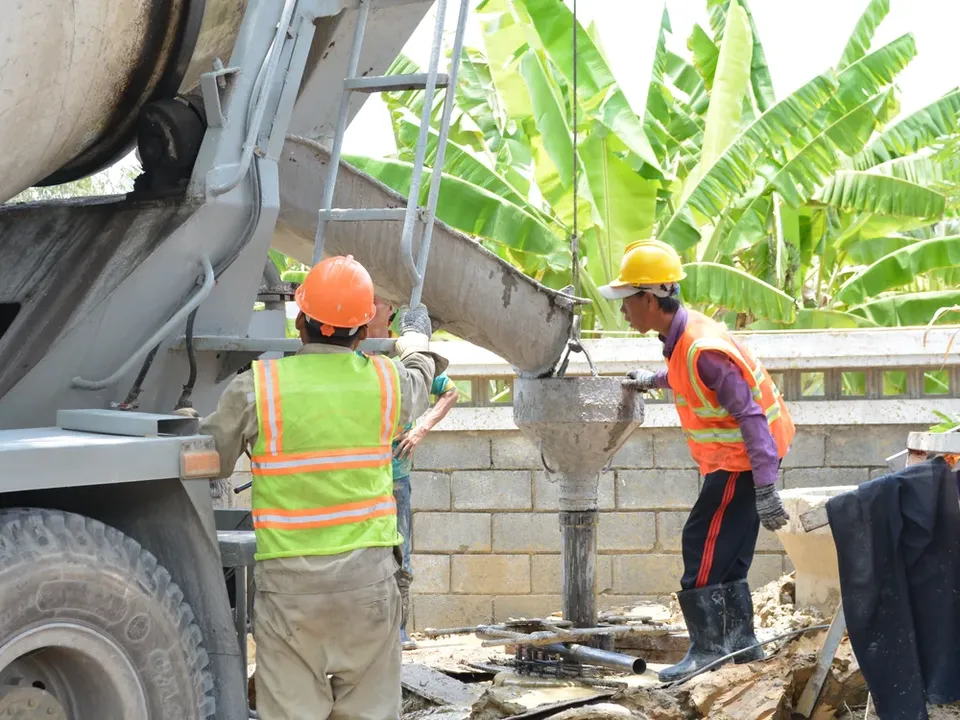 Training Programme
Construction Quality Assurance and Quality Control
Construction quality depends on translating project requirements into controlled work, verifiable inspections and complete records. This programme…
 Training Programme
Building Management Systems Operation and Optimisation
Effective building controls depend on accurate signals, appropriate sequences and disciplined operator decisions. This programme develops practical…
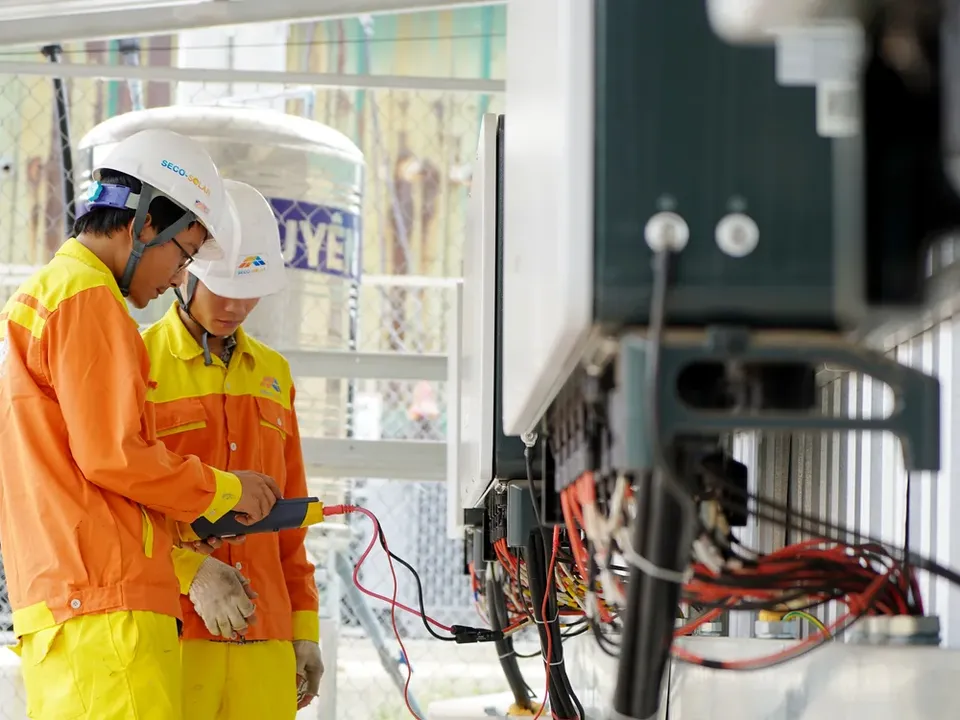 Training Programme
HVAC Operation and Maintenance
Reliable HVAC operation requires a clear understanding of equipment behaviour, maintenance priorities and indoor environmental needs. This programme…
Discuss Facilities Management Fundamentals
Tell us about your scope, locations and intended timeframe for a focused response from TQCSI Arabia.