
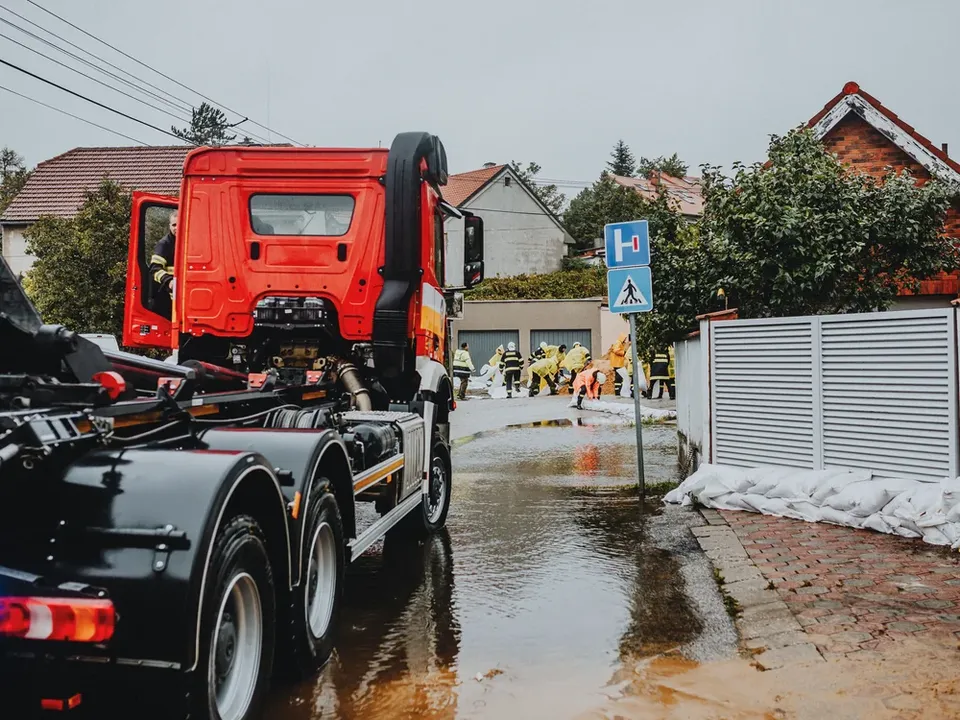
Pollution Prevention and Environmental Spill Response
Reduce the likelihood and environmental consequences of spills through better prevention and controlled first response. Participants connect sources, drainage pathways and vulnerable receptors, inspect containment arrangements and…
- Category
- Environment and Sustainability
- Delivery region
- Saudi Arabia, GCC and MENA
Programme Summary
Reduce the likelihood and environmental consequences of spills through better prevention and controlled first response. Participants connect sources, drainage pathways and vulnerable receptors, inspect containment arrangements and practise notification and limited containment decisions. Benign simulations reinforce personal safety, response limits and escalation, supporting clear coordination with competent responders and reliable records for recovery and corrective action.
Training Objectives
1 Strengthen pollution pathway recognition and prevention; 2 Improve storage containment and drainage controls; 3 Develop clear notification and escalation decisions; 4 Practise safe limited containment within competence; 5 Connect incident learning with preventive improvement.
Learning Outcomes
1 Map spill sources pathways and receptors; 2 Identify weaknesses in containment and drainage controls; 3 Select appropriate escalation and notification actions; 4 Demonstrate safe containment using benign simulants; 5 Complete an incident and improvement record.
Target Audience
Environmental Officers; Facilities Supervisors; Warehouse Supervisors; Maintenance Supervisors; HSE Officers; Site Response Coordinators.
Target Industries
Manufacturing; Fuel Storage; Chemical Distribution; Warehousing; Construction; Utilities.
Course Contents
- Module 1 Pollution Sources Pathways and Receptors: Liquids powders contaminated runoff and releases; Drains soils surface water and groundwater; Sensitive receptors and offsite migration risks.
- Module 2 Preventing Releases During Routine Operations: Storage transfer and delivery controls; Secondary containment integrity and capacity checks; Housekeeping maintenance and change control.
- Module 3 Drainage and Site Protection Arrangements: Interpreting drain plans and discharge connections; Drain protection and isolation arrangements; Inspection records and unresolved infrastructure defects.
- Module 4 Spill Recognition and Initial Decisions: Scene safety and unknown substance boundaries; Alarm evacuation and responder escalation; Incident information and applicable notification routes.
- Module 5 Selecting Limited Containment Measures: Compatibility of spill materials and equipment; Containment only within trained safe capability; Avoiding pollution transfer through inappropriate cleanup.
- Module 6 Controlled Spill Response Simulation: Benign simulants and supervised equipment practice; Communicating roles boundaries and observations; Stopping unsafe actions and seeking assistance.
- Module 7 Recovery Records and Waste Interfaces: Contaminated materials and authorised cleanup support; Environmental monitoring and recovery evidence; Incident timelines photographs and factual reporting.
- Module 8 Learning and Prevention Improvement: Investigating failed preventive and response controls; Assigning corrective actions and review dates; Testing revised arrangements through exercises.
Assessment
- 40 single best answer questions, including applied scenarios; one mark per question.
- 60 minute invigilated digital examination with identity verification. Approved accessibility adjustments preserve the assessed competence.
- Supplied reference pack and calculator permitted; external internet and AI prohibited.
- Individual applied assessment (60 minutes): Assess a simulated spill, communicate an initial notification, demonstrate limited containment with benign materials and complete an incident record identifying recovery and prevention priorities.
- Assessment criteria: Safe scene assessment and timely escalation; Appropriate containment within stated response limits; Accurate incident records and prevention actions.
- Pass each component separately: 30/40 written marks (75%) and at least 70% on the applied task.
- All mandatory criteria must pass: Do not enter an unsafe area or approach an unknown substance; Do not discharge pollution into drains or watercourses; Stop if containment exceeds personal competence or equipment capability.
- Individual results and feedback are provided. One reassessment may follow coaching under the published enrolment terms.
Certification
- Successful learners receive a TQCSI Arabia digital Certificate of Successful Completion.
- The certificate records the learner name, exact programme title, teaching hours, completion date and unique verification reference.
- Verified identity, full attendance and separate written and applied passes are required; all mandatory critical criteria must be met.
- Proposed issue target: within 30 calendar days of approved results and settlement of applicable fees.
- Records pollution prevention and simulated spill response skills; it does not qualify hazardous materials responders or authorise uncontrolled spill cleanup.
- Attendance confirmation may record completed hours for unsuccessful learners; it does not certify successful completion.
Programme Profile
- Number of daysNumber of daysNumber of days
- 222
- Total teaching hoursTotal teaching hoursTotal teaching hours
- 12 hours; breaks, pre course work and formal final assessments excluded.12 hours; breaks, pre course work and formal final assessments excluded.12 hours; breaks, pre course work and formal final assessments excluded.
- Delegates allowedDelegates allowedDelegates allowed
- Maximum 12 delegates.Maximum 12 delegates.Maximum 12 delegates.
- Training prerequisitesTraining prerequisitesTraining prerequisites
- Basic workplace safety and environmental awareness are required. Participants must understand site instructions and personal response limits; the course does not require emergency responder experience.Basic workplace safety and environmental awareness are required. Participants must understand site instructions and personal response limits; the course does not require emergency responder experience.Basic workplace safety and environmental awareness are required. Participants must understand site instructions and personal response limits; the course does not require emergency responder experience.
- Pre course assignment and assessmentPre course assignment and assessmentPre course assignment and assessment
- Review a fictional drainage plan and complete a 30 minute spill recognition and escalation diagnostic.Review a fictional drainage plan and complete a 30 minute spill recognition and escalation diagnostic.Review a fictional drainage plan and complete a 30 minute spill recognition and escalation diagnostic.
- End of course assessmentEnd of course assessmentEnd of course assessment
- 40 question written exam (60 minutes) and individual applied task (60 minutes).40 question written exam (60 minutes) and individual applied task (60 minutes).40 question written exam (60 minutes) and individual applied task (60 minutes).
- Passing criteriaPassing criteriaPassing criteria
- 75% written and 70% applied, passed separately; full attendance. All mandatory criteria must pass.75% written and 70% applied, passed separately; full attendance. All mandatory criteria must pass.75% written and 70% applied, passed separately; full attendance. All mandatory criteria must pass.
Related Training Programme Options
Continue exploring services and programmes in the same specialist category.
 Training Programme
Greenhouse Gas Accounting and Carbon Footprinting
Build a defensible organisational greenhouse gas inventory from defined boundaries and traceable activity data. Participants classify emission…
 Training Programme
Carbon Reduction and Net Zero Planning
Convert an emissions baseline into a practical carbon reduction programme with clear accountability. Participants evaluate reduction levers, compare…
 Training Programme
ESG and Sustainability Reporting
Develop a reporting process that connects sustainability evidence with stakeholder and business decisions. Participants distinguish impact materiality…
Discuss Pollution Prevention and Environmental Spill Response
Tell us about your scope, locations and intended timeframe for a focused response from TQCSI Arabia.