
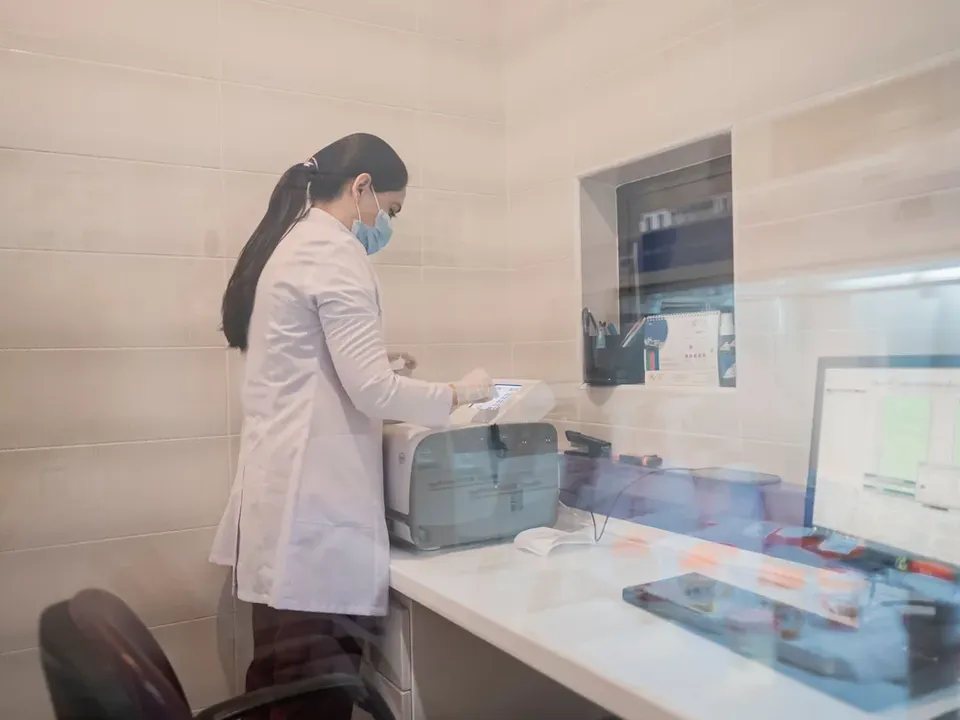
Environmental Monitoring in Food Manufacturing
Build a risk based environmental monitoring programme that supports contamination prevention and timely corrective action. Participants select sampling objectives, zones, sites and frequencies using product exposure and process…
- Category
- Food Safety and Food Standards
- Delivery region
- Saudi Arabia, GCC and MENA
Programme Summary
Build a risk based environmental monitoring programme that supports contamination prevention and timely corrective action. Participants select sampling objectives, zones, sites and frequencies using product exposure and process conditions. Worked data sets develop trend interpretation and response planning, enabling teams to distinguish meaningful evidence from false reassurance and coordinate effective investigations with competent laboratories.
Training Objectives
1 Connect monitoring design with product contamination risks; 2 Strengthen sampling rationale and laboratory coordination; 3 Improve interpretation of results and emerging trends; 4 Develop proportionate investigation and corrective action plans; 5 Support continual review of monitoring programme effectiveness.
Learning Outcomes
1 Define risk based environmental monitoring objectives; 2 Select sampling sites timing and analytical targets; 3 Interpret positive results and recurring site trends; 4 Prepare a justified investigation and response plan; 5 Identify limitations and necessary programme changes.
Target Audience
Food Safety Managers; Quality Microbiologists; Hygiene Managers; Laboratory Coordinators; Technical Managers; Quality Assurance Officers.
Target Industries
Ready Meal Production; Dairy Processing; Meat Processing; Fresh Produce Packing; Food Ingredient Manufacturing.
Course Contents
- Module 1 Monitoring Purpose and Hazard Relevance: Product exposure and environmental contamination routes; Target organisms and suitable indicator selection; Monitoring relationships with sanitation and process controls.
- Module 2 Programme Boundaries and Hygienic Zones: Map zones equipment and personnel movement; Identify niches and contamination transfer pathways; Prioritise sites using product and process risk.
- Module 3 Sampling Design and Scheduling: Select sites frequencies and sampling timing; Balance routine and investigational sampling; Document rationale and review triggers.
- Module 4 Collection and Laboratory Coordination: Sampling methods and contamination prevention; Transport conditions and chain of custody; Method suitability and reporting requirements.
- Module 5 Limits Trends and Data Interpretation: Baseline evidence and investigation triggers; Map recurring positives and temporal patterns; Negative results and sampling limitations.
- Module 6 Response to Adverse Findings: Immediate containment and product risk review; Intensified cleaning and investigative sampling; Escalation responsibilities and evidence preservation.
- Module 7 Root Cause and Effectiveness Review: Investigate sources niches and transfer routes; Verify corrective actions under operating conditions; Update sampling plans after significant changes.
- Module 8 Monitoring Programme Case: Design a plan for a food site; Interpret a series of environmental results; Present a justified response and review decision.
Assessment
- 40 single best answer questions, including applied scenarios; one mark per question.
- 60 minute invigilated digital examination with identity verification. Approved accessibility adjustments preserve the assessed competence.
- Supplied reference sheets permitted; messaging, internet searches and external AI assistance prohibited.
- Individual applied assessment (30 minutes): Design an environmental monitoring plan for a supplied food site, interpret recurring positive results and define containment, investigation, corrective action and verification measures.
- Assessment criteria: Risk based sampling rationale and programme coverage; Accurate interpretation of results and limitations; Proportionate investigation and effectiveness verification.
- Pass each component separately: 30/40 written marks (75%) and at least 70% on the applied task.
- All mandatory criteria must pass: Do not use negative samples alone to override unresolved product contamination evidence.
- Individual results and feedback are provided. One reassessment may follow coaching under the published enrolment terms.
Certification
- Successful learners receive a TQCSI Arabia digital Certificate of Successful Completion.
- The certificate records the learner name, exact programme title, teaching hours, completion date and unique verification reference.
- Verified identity, full attendance and separate written and applied passes are required; all mandatory critical criteria must be met.
- Proposed issue target: within 30 calendar days of approved results and settlement of applicable fees.
- Records assessed food safety course learning; workplace responsibilities remain subject to employer approval and applicable requirements.
- Attendance confirmation may record completed hours for unsuccessful learners; it does not certify successful completion.
Programme Profile
- Number of daysNumber of daysNumber of days
- 222
- Total teaching hoursTotal teaching hoursTotal teaching hours
- 12 hours; breaks, pre course work and formal final assessments excluded.12 hours; breaks, pre course work and formal final assessments excluded.12 hours; breaks, pre course work and formal final assessments excluded.
- Delegates allowedDelegates allowedDelegates allowed
- Maximum 20 delegates.Maximum 20 delegates.Maximum 20 delegates.
- Training prerequisitesTraining prerequisitesTraining prerequisites
- Knowledge of food hygiene and basic microbiology is recommended. Laboratory sampling experience is useful but not mandatory.Knowledge of food hygiene and basic microbiology is recommended. Laboratory sampling experience is useful but not mandatory.Knowledge of food hygiene and basic microbiology is recommended. Laboratory sampling experience is useful but not mandatory.
- Pre course assignment and assessmentPre course assignment and assessmentPre course assignment and assessment
- Review a fictional site layout and result set; complete a 30 minute microbiology and sampling diagnostic.Review a fictional site layout and result set; complete a 30 minute microbiology and sampling diagnostic.Review a fictional site layout and result set; complete a 30 minute microbiology and sampling diagnostic.
- End of course assessmentEnd of course assessmentEnd of course assessment
- 40 question written exam (60 minutes) and individual applied task (30 minutes).40 question written exam (60 minutes) and individual applied task (30 minutes).40 question written exam (60 minutes) and individual applied task (30 minutes).
- Passing criteriaPassing criteriaPassing criteria
- 75% written and 70% applied, passed separately; full attendance. All mandatory criteria must pass.75% written and 70% applied, passed separately; full attendance. All mandatory criteria must pass.75% written and 70% applied, passed separately; full attendance. All mandatory criteria must pass.
Related Training Programme Options
Continue exploring services and programmes in the same specialist category.
 Training Programme
Food Traceability Recall and Incident Management
Develop the systems and decision skills needed to trace affected food, contain distribution and coordinate a proportionate incident response.…
 Training Programme
Food Safety Culture Development
Help leaders and operational teams turn food-safety expectations into consistent everyday behaviour. Participants examine how leadership decisions…
 Training Programme
Food Microbiology for Food Safety Professionals
Translate microbiological concepts into practical food safety decisions. Participants examine how pathogens, spoilage organisms and indicators behave…
Discuss Environmental Monitoring in Food Manufacturing
Tell us about your scope, locations and intended timeframe for a focused response from TQCSI Arabia.