
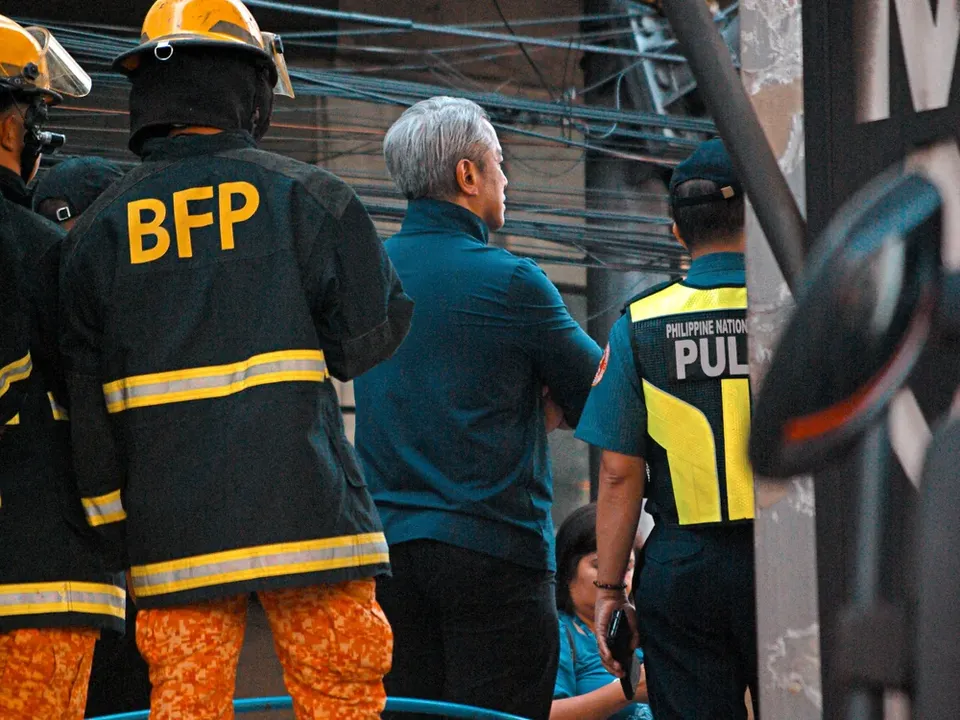
Emergency Response Planning and Exercises
Build emergency arrangements that people can understand and exercise before an incident occurs. Participants identify credible workplace scenarios, define response roles and plan communication, evacuation and accountability. A…
- Category
- Health, Safety and Process Safety
- Delivery region
- Saudi Arabia, GCC and MENA
Programme Summary
Build emergency arrangements that people can understand and exercise before an incident occurs. Participants identify credible workplace scenarios, define response roles and plan communication, evacuation and accountability. A tabletop exercise tests decisions and handovers under changing information, producing practical improvement actions while maintaining clear boundaries between workplace coordination and specialist firefighting, rescue, medical or hazardous materials response.
Training Objectives
1 Plan proportionate responses to credible emergencies; 2 Clarify roles escalation and communication arrangements; 3 Coordinate evacuation accountability and external support; 4 Design exercises that test practical decisions; 5 Translate exercise findings into effective improvements.
Learning Outcomes
1 Develop a workplace emergency response outline; 2 Define activation and escalation criteria; 3 Prepare a realistic tabletop exercise brief; 4 Demonstrate clear emergency coordination communication; 5 Produce an exercise improvement action plan.
Target Audience
Emergency Coordinators; Facilities Managers; HSE Officers; Operations Supervisors; Security Supervisors.
Target Industries
Manufacturing; Construction; Logistics and Warehousing; Facilities Management; Utilities; Hospitality Operations.
Course Contents
- Module 1 Emergency Scenario Planning: Credible events and potential consequences; People assets environmental and community interfaces; Planning assumptions and specialist support needs.
- Module 2 Response Organisation: Activation roles authority and alternates; Incident coordination and operational boundaries; External responder and management interfaces.
- Module 3 Communication and Escalation: Alarms contact lists and reliable channels; Clear initial reports and situation updates; Escalation triggers and communication failures.
- Module 4 Evacuation and Accountability: Routes assembly and occupant assistance; Visitor contractor and lone worker arrangements; Shelter or evacuation decisions within plans.
- Module 5 Resources and Readiness: Equipment information and response access; Inspection maintenance and competence checks; Limits of workplace response capability.
- Module 6 Exercise Design: Objectives scope injects and safe simulation; Participant evaluator and controller responsibilities; Measures of decision and communication effectiveness.
- Module 7 Tabletop Exercise Delivery: Developing events and incomplete information; Role coordination and documented decisions; Recognising unsafe or unsupported response assumptions.
- Module 8 Debrief and Improvement: Evidence based evaluation and constructive feedback; Actions owners priorities and deadlines; Retesting improvements and maintaining readiness.
Assessment
- 40 single best answer questions, including applied scenarios; one mark per question.
- 60 minute invigilated digital examination with identity verification. Approved accessibility adjustments preserve the assessed competence.
- Supplied reference pack and calculator permitted; external internet and AI prohibited.
- Individual applied assessment (60 minutes): Prepare an emergency response outline and participate in an observed tabletop scenario, then produce an individual evaluation and improvement plan.
- Assessment criteria: Credible roles and response arrangements; Clear safe coordination and escalation; Specific evidence based improvement actions.
- Pass each component separately: 30/40 written marks (75%) and at least 70% on the applied task.
- All mandatory criteria must pass: Do not assign untrained rescue duties.
- Individual results and feedback are provided. One reassessment may follow coaching under the published enrolment terms.
Certification
- Successful learners receive a TQCSI Arabia digital Certificate of Successful Completion.
- The certificate records the learner name, exact programme title, teaching hours, completion date and unique verification reference.
- Verified identity, full attendance and separate written and applied passes are required; all mandatory critical criteria must be met.
- Proposed issue target: within 30 calendar days of approved results and settlement of applicable fees.
- Records emergency planning and exercise skills; it does not qualify firefighting, rescue, medical response or hazardous materials intervention personnel.
- Attendance confirmation may record completed hours for unsuccessful learners; it does not certify successful completion.
Programme Profile
- Number of daysNumber of daysNumber of days
- 222
- Total teaching hoursTotal teaching hoursTotal teaching hours
- 12 hours; breaks, pre course work and formal final assessments excluded.12 hours; breaks, pre course work and formal final assessments excluded.12 hours; breaks, pre course work and formal final assessments excluded.
- Delegates allowedDelegates allowedDelegates allowed
- Maximum 20 delegates.Maximum 20 delegates.Maximum 20 delegates.
- Training prerequisitesTraining prerequisitesTraining prerequisites
- Familiarity with workplace activities and existing emergency arrangements is required. Previous safety or facilities coordination experience is recommended.Familiarity with workplace activities and existing emergency arrangements is required. Previous safety or facilities coordination experience is recommended.Familiarity with workplace activities and existing emergency arrangements is required. Previous safety or facilities coordination experience is recommended.
- Pre course assignment and assessmentPre course assignment and assessmentPre course assignment and assessment
- Review a fictional workplace emergency plan for 30 minutes and identify unclear roles and communication routes.Review a fictional workplace emergency plan for 30 minutes and identify unclear roles and communication routes.Review a fictional workplace emergency plan for 30 minutes and identify unclear roles and communication routes.
- End of course assessmentEnd of course assessmentEnd of course assessment
- 40 question written exam (60 minutes) and individual applied task (60 minutes).40 question written exam (60 minutes) and individual applied task (60 minutes).40 question written exam (60 minutes) and individual applied task (60 minutes).
- Passing criteriaPassing criteriaPassing criteria
- 75% written and 70% applied, passed separately; full attendance. All mandatory criteria must pass.75% written and 70% applied, passed separately; full attendance. All mandatory criteria must pass.75% written and 70% applied, passed separately; full attendance. All mandatory criteria must pass.
Related Training Programme Options
Continue exploring services and programmes in the same specialist category.
 Training Programme
Permit to Work and Lockout Tagout
Strengthen the coordination of hazardous work through disciplined permit controls and energy-isolation arrangements. Participants connect task…
 Training Programme
Working at Height and Fall Protection
Build practical awareness and basic equipment skills for planning work where a fall could cause injury. Participants apply the control hierarchy…
 Training Programme
Confined Space Entry Planning and Permit Management
Plan confined space work around the decision to avoid entry wherever feasible and control the remaining risks rigorously. Participants review space…
Discuss Emergency Response Planning and Exercises
Tell us about your scope, locations and intended timeframe for a focused response from TQCSI Arabia.