

Fire Risk Assessment
Develop practical fire risk assessment skills for straightforward occupied workplaces. Participants identify ignition and fuel sources, consider people at risk and evaluate prevention, detection, escape and management…
- Category
- Health, Safety and Process Safety
- Delivery region
- Saudi Arabia, GCC and MENA
Programme Summary
Develop practical fire risk assessment skills for straightforward occupied workplaces. Participants identify ignition and fuel sources, consider people at risk and evaluate prevention, detection, escape and management arrangements. Building cases develop prioritised actions and review triggers, with clear escalation where complexity, vulnerable occupants or specialist systems require additional competent assessment beyond the scope of this introductory programme.
Training Objectives
1 Identify credible workplace fire hazards and exposure; 2 Evaluate prevention and basic protective arrangements; 3 Consider occupants and emergency escape needs; 4 Prioritise practical fire risk reduction actions; 5 Recognise situations requiring specialist fire expertise.
Learning Outcomes
1 Prepare a bounded workplace fire risk assessment; 2 Identify weaknesses in prevention and escape arrangements; 3 Prioritise actions with responsible owners; 4 Define review and maintenance evidence needs; 5 Explain when specialist assessment is necessary.
Target Audience
Facilities Managers; Safety Officers; Property Supervisors; Fire Safety Coordinators; Building Operations Managers.
Target Industries
Office Buildings; Retail Premises; Small Warehouses; Light Industrial Workshops; Commercial Service Premises.
Course Contents
- Module 1 Assessment Scope and Competence: Building use occupancy and assessment boundaries; Applicable local fire requirements and responsibilities; Complex premises and specialist referral triggers.
- Module 2 Fire Hazard Identification: Ignition fuel oxygen and process activities; Storage housekeeping electrical and hot work hazards; Changes affecting fire development or spread.
- Module 3 People and Exposure: Employees visitors contractors and lone workers; Mobility sensory and other evacuation needs; Occupancy patterns and unfamiliar building users.
- Module 4 Fire Prevention Controls: Reducing ignition sources and combustible loads; Safe storage housekeeping and work controls; Contractor activities and temporary arrangements.
- Module 5 Protective Arrangements: Detection warning and emergency lighting awareness; Escape routes exits and fire door condition; Compartmentation concerns and specialist system limits.
- Module 6 Management and Emergency Planning: Roles alarm response and evacuation arrangements; Information training drills and assembly accountability; Maintenance records and competent service support.
- Module 7 Action Planning and Review: Prioritising significant findings and interim controls; Owners timescales and completion evidence; Review after changes incidents or new information.
- Module 8 Fire Risk Assessment Workshop: Assessing a straightforward fictional workplace; Recording justified findings and practical actions; Identifying boundaries requiring specialist advice.
Assessment
- 40 single best answer questions, including applied scenarios; one mark per question.
- 60 minute invigilated digital examination with identity verification. Approved accessibility adjustments preserve the assessed competence.
- Supplied reference pack and calculator permitted; external internet and AI prohibited.
- Individual applied assessment (30 minutes): Assess a fictional straightforward workplace, record significant fire risks and prioritise actions while identifying matters requiring specialist review.
- Assessment criteria: Complete basic hazard and occupant review; Proportionate prevention and protection actions; Accurate competence limits and escalation.
- Pass each component separately: 30/40 written marks (75%) and at least 70% on the applied task.
- All mandatory criteria must pass: Escalate unsafe escape arrangements; Refer complex fire engineering matters.
- Individual results and feedback are provided. One reassessment may follow coaching under the published enrolment terms.
Certification
- Successful learners receive a TQCSI Arabia digital Certificate of Successful Completion.
- The certificate records the learner name, exact programme title, teaching hours, completion date and unique verification reference.
- Verified identity, full attendance and separate written and applied passes are required; all mandatory critical criteria must be met.
- Proposed issue target: within 30 calendar days of approved results and settlement of applicable fees.
- Records introductory fire risk assessment learning; it does not establish competence for complex buildings, fire engineering or statutory assessor registration.
- Attendance confirmation may record completed hours for unsuccessful learners; it does not certify successful completion.
Programme Profile
- Number of daysNumber of daysNumber of days
- 222
- Total teaching hoursTotal teaching hoursTotal teaching hours
- 12 hours; breaks, pre course work and formal final assessments excluded.12 hours; breaks, pre course work and formal final assessments excluded.12 hours; breaks, pre course work and formal final assessments excluded.
- Delegates allowedDelegates allowedDelegates allowed
- Maximum 20 delegates.Maximum 20 delegates.Maximum 20 delegates.
- Training prerequisitesTraining prerequisitesTraining prerequisites
- Basic fire safety knowledge and familiarity with building operations are required. This introductory course is limited to straightforward workplaces, not complex or high hazard premises.Basic fire safety knowledge and familiarity with building operations are required. This introductory course is limited to straightforward workplaces, not complex or high hazard premises.Basic fire safety knowledge and familiarity with building operations are required. This introductory course is limited to straightforward workplaces, not complex or high hazard premises.
- Pre course assignment and assessmentPre course assignment and assessmentPre course assignment and assessment
- Review a fictional office floor plan for 30 minutes and identify ignition sources, combustible materials and escape routes.Review a fictional office floor plan for 30 minutes and identify ignition sources, combustible materials and escape routes.Review a fictional office floor plan for 30 minutes and identify ignition sources, combustible materials and escape routes.
- End of course assessmentEnd of course assessmentEnd of course assessment
- 40 question written exam (60 minutes) and individual applied task (30 minutes).40 question written exam (60 minutes) and individual applied task (30 minutes).40 question written exam (60 minutes) and individual applied task (30 minutes).
- Passing criteriaPassing criteriaPassing criteria
- 75% written and 70% applied, passed separately; full attendance. All mandatory criteria must pass.75% written and 70% applied, passed separately; full attendance. All mandatory criteria must pass.75% written and 70% applied, passed separately; full attendance. All mandatory criteria must pass.
Related Training Programme Options
Continue exploring services and programmes in the same specialist category.
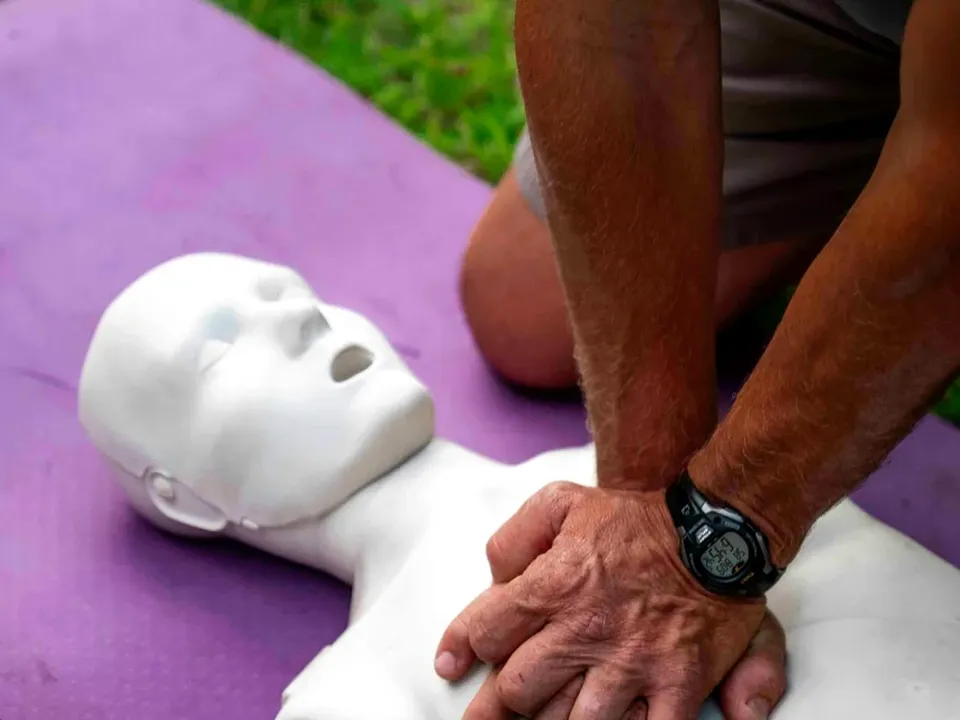 Training Programme
Workplace First Aid, CPR and AED Skills
Develop practical adult first-aid, cardiopulmonary resuscitation and automated external defibrillator skills for common workplace emergencies.…
 Training Programme
Emergency Response Planning and Exercises
Build emergency arrangements that people can understand and exercise before an incident occurs. Participants identify credible workplace scenarios…
 Training Programme
Permit to Work and Lockout Tagout
Strengthen the coordination of hazardous work through disciplined permit controls and energy-isolation arrangements. Participants connect task…
Discuss Fire Risk Assessment
Tell us about your scope, locations and intended timeframe for a focused response from TQCSI Arabia.