

Heat Stress and Fatigue Management
Recognise how heat, workload, clothing and insufficient recovery can undermine safe work. Participants assess practical risk factors, identify early warning signs and plan prevention through task timing, acclimatisation, rest and…
- Category
- Health, Safety and Process Safety
- Delivery region
- Saudi Arabia, GCC and MENA
Programme Summary
Recognise how heat, workload, clothing and insufficient recovery can undermine safe work. Participants assess practical risk factors, identify early warning signs and plan prevention through task timing, acclimatisation, rest and reporting arrangements. Short scenarios strengthen decisions about stopping work and obtaining assistance, while keeping medical assessment and detailed exposure limit interpretation with appropriately qualified professionals.
Training Objectives
1 Recognise combined heat and fatigue risk factors; 2 Plan practical prevention and recovery arrangements; 3 Identify warning signs requiring prompt action; 4 Strengthen supervisory reporting and stop work decisions; 5 Review controls as conditions and workloads change.
Learning Outcomes
1 Identify heat and fatigue risks in tasks; 2 Prepare a practical work and recovery plan; 3 Explain acclimatisation and hydration support arrangements; 4 Select safe escalation for warning signs; 5 Define supervisory checks and review triggers.
Target Audience
Site Supervisors; HSE Officers; Shift Supervisors; Outdoor Work Coordinators; Maintenance Team Leaders.
Target Industries
Construction; Outdoor Maintenance; Metal Foundries; Bakeries; Logistics; Oil and Gas Field Operations.
Course Contents
- Module 1 Heat and Fatigue Recognition: Environmental workload clothing and recovery factors; Acclimatisation health variability and vulnerable workers; Warning signs and performance deterioration.
- Module 2 Assessing Work Conditions: Task intensity duration and changing conditions; Shift patterns sleep opportunity and travel; Competent measurement and applicable local requirements.
- Module 3 Practical Prevention: Shade cooling hydration and suitable clothing; Work rest arrangements and task scheduling; Acclimatisation planning and fatigue aware rostering.
- Module 4 Response and Escalation: Stopping affected work and seeking assistance; Buddy communication and prompt emergency escalation; Limits of nonmedical assessment and intervention.
- Module 5 Work Planning Scenario: Reviewing a hot weather shift plan; Selecting preventive controls and supervision checks; Explaining warning sign and escalation decisions.
Assessment
- 20 single best answer questions, including applied scenarios; one mark per question.
- 30 minute invigilated digital examination with identity verification. Approved accessibility adjustments preserve the assessed competence.
- Supplied reference pack and calculator permitted; external internet and AI prohibited.
- Individual applied assessment (20 minutes): Review a hot environment shift scenario and prepare a prevention plan with clear stop work, assistance and review decisions.
- Assessment criteria: Recognition of combined risk factors; Practical prevention and recovery arrangements; Safe timely escalation of warning signs.
- Pass each component separately: 15/20 written marks (75%) and at least 70% on the applied task.
- All mandatory criteria must pass: Escalate suspected serious heat illness promptly.
- Individual results and feedback are provided. One reassessment may follow coaching under the published enrolment terms.
Certification
- Successful learners receive a TQCSI Arabia digital Certificate of Successful Completion.
- The certificate records the learner name, exact programme title, teaching hours, completion date and unique verification reference.
- Verified identity, full attendance and separate written and applied passes are required; all mandatory critical criteria must be met.
- Proposed issue target: within 30 calendar days of approved results and settlement of applicable fees.
- Records heat and fatigue awareness learning; it does not confer medical competence or replace specialist exposure assessment.
- Attendance confirmation may record completed hours for unsuccessful learners; it does not certify successful completion.
Programme Profile
- Number of daysNumber of daysNumber of days
- 111
- Total teaching hoursTotal teaching hoursTotal teaching hours
- 6 hours; breaks, pre course work and formal final assessments excluded.6 hours; breaks, pre course work and formal final assessments excluded.6 hours; breaks, pre course work and formal final assessments excluded.
- Delegates allowedDelegates allowedDelegates allowed
- Maximum 20 delegates.Maximum 20 delegates.Maximum 20 delegates.
- Training prerequisitesTraining prerequisitesTraining prerequisites
- No formal qualification is required. Familiarity with outdoor, hot environment or shift work is helpful.No formal qualification is required. Familiarity with outdoor, hot environment or shift work is helpful.No formal qualification is required. Familiarity with outdoor, hot environment or shift work is helpful.
- Pre course assignment and assessmentPre course assignment and assessmentPre course assignment and assessment
- Review a fictional shift and weather scenario for 20 minutes and identify exposure and recovery concerns.Review a fictional shift and weather scenario for 20 minutes and identify exposure and recovery concerns.Review a fictional shift and weather scenario for 20 minutes and identify exposure and recovery concerns.
- End of course assessmentEnd of course assessmentEnd of course assessment
- 20 question written exam (30 minutes) and individual applied task (20 minutes).20 question written exam (30 minutes) and individual applied task (20 minutes).20 question written exam (30 minutes) and individual applied task (20 minutes).
- Passing criteriaPassing criteriaPassing criteria
- 75% written and 70% applied, passed separately; full attendance. All mandatory criteria must pass.75% written and 70% applied, passed separately; full attendance. All mandatory criteria must pass.75% written and 70% applied, passed separately; full attendance. All mandatory criteria must pass.
Related Training Programme Options
Continue exploring services and programmes in the same specialist category.
 Training Programme
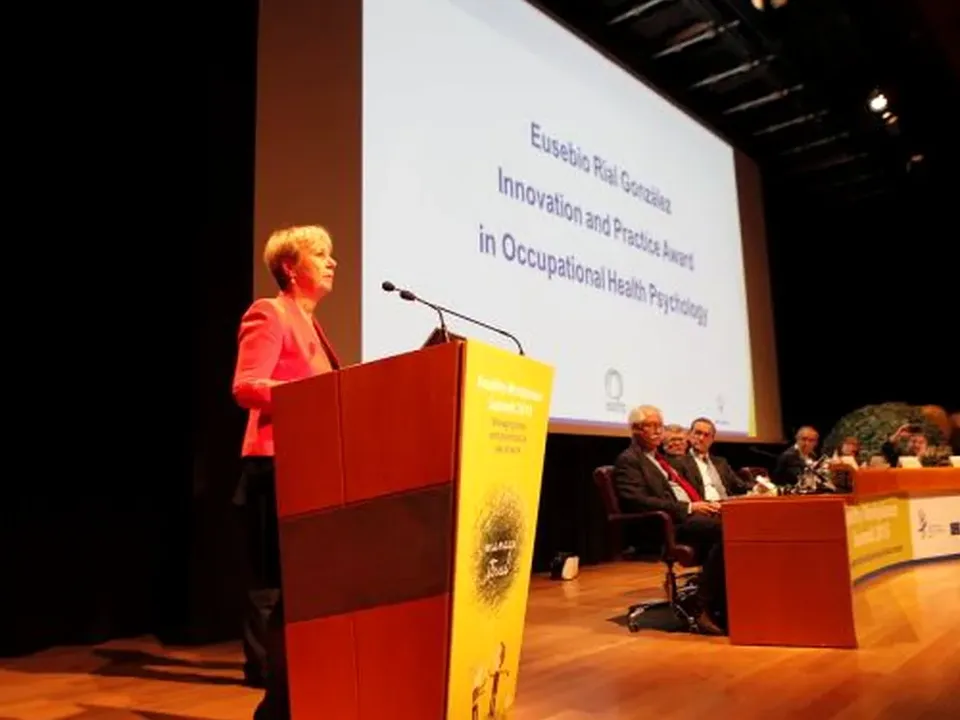
Psychosocial Risk Management at Work
Address psychosocial risks through the way work is designed, organised and managed. Participants identify excessive demands, poor support, unclear…
 Training Programme
Contractor Safety Management
Control safety risks across the full contractor lifecycle, from defining work to reviewing completed performance. Participants evaluate capability…
 Training Programme
Construction Site Safety Management
Plan and supervise construction safety as site conditions, trades and work fronts change. Participants coordinate risk assessments, access, temporary…
Discuss Heat Stress and Fatigue Management
Tell us about your scope, locations and intended timeframe for a focused response from TQCSI Arabia.