
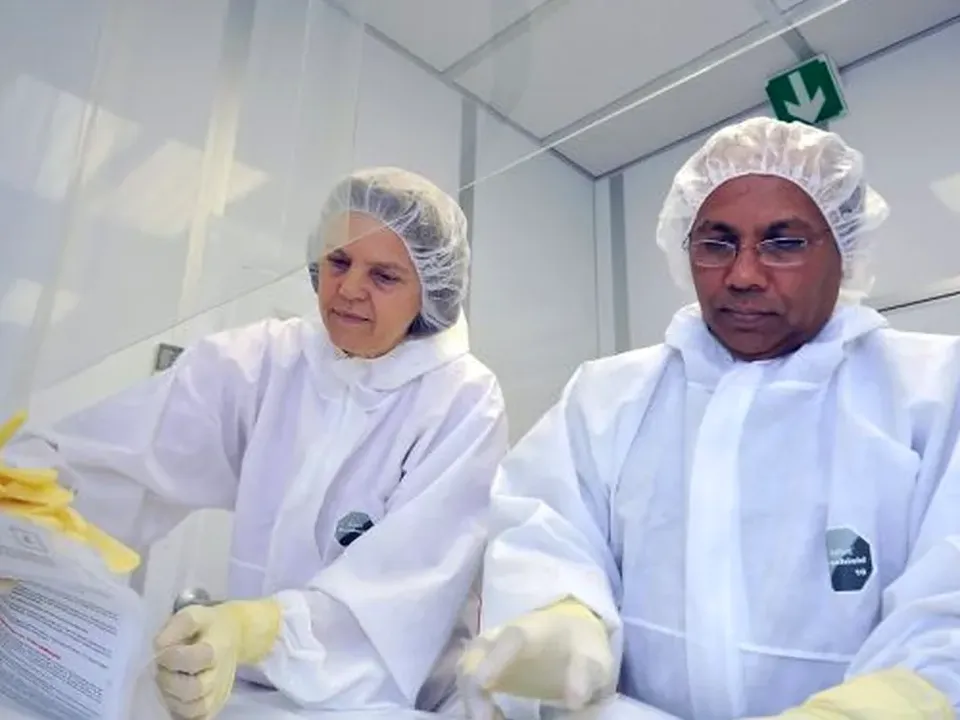
Laboratory Sampling and Chain of Custody
Protect the integrity and representativeness of samples from collection to authorised laboratory receipt. Participants plan sampling around decision needs, document field conditions and control identification, preservation and…
- Category
- Laboratory Competence
- Delivery region
- Saudi Arabia, GCC and MENA
Programme Summary
Protect the integrity and representativeness of samples from collection to authorised laboratory receipt. Participants plan sampling around decision needs, document field conditions and control identification, preservation and custody transfers. Practical scenarios address deviations, rejected samples and missing information, producing clear records that allow laboratories and customers to understand what the resulting measurements can legitimately support.
Training Objectives
1 Connect sampling design with decision needs; 2 Protect identity integrity and sample representativeness; 3 Strengthen field records and custody evidence; 4 Manage preservation transport and receipt deviations; 5 Clarify responsibilities across sampling laboratory interfaces.
Learning Outcomes
1 Prepare a sampling and handling plan; 2 Complete a traceable chain of custody; 3 Select appropriate sample acceptance checks; 4 Assess a transport or preservation deviation; 5 Document sample limitations for technical review.
Target Audience
Sampling Technicians; Field Laboratory Supervisors; Sample Reception Staff; Environmental Technicians; Laboratory Quality Officers.
Target Industries
Environmental Testing Laboratories; Water Testing Laboratories; Food Testing Laboratories; Petrochemical Laboratories; Materials Testing Laboratories.
Course Contents
- Module 1 Sampling Purpose and Scope: Decision requirements and sampling responsibilities; Population variability and representative selection; Method limits and sampling uncertainty awareness.
- Module 2 Sampling Plans: Locations frequencies and sample quantities; Random targeted and composite sampling choices; Resources permits and contamination controls.
- Module 3 Collection Controls: Clean equipment and suitable containers; Field blanks duplicates and sample identification; Recording conditions and collection deviations.
- Module 4 Preservation and Transport: Method specific temperature and holding limits; Preservatives compatibility and safe handling; Packing security and transport monitoring.
- Module 5 Chain of Custody: Unique identifiers and collection records; Transfer signatures times and seal checks; Electronic records and controlled corrections.
- Module 6 Laboratory Receipt and Storage: Acceptance criteria and condition verification; Rejection quarantine and customer communication; Storage segregation retention and disposal.
- Module 7 Managing Sampling Deviations: Assessing contamination loss and delay effects; Documenting departures and technical decisions; Reporting limitations and recollection needs.
- Module 8 Sampling Evidence Workshop: Developing a defensible sampling plan; Completing a custody and receipt record; Resolving a sample integrity scenario.
Assessment
- 40 single best answer questions, including applied scenarios; one mark per question.
- 60 minute invigilated digital examination with identity verification. Approved accessibility adjustments preserve the assessed competence.
- Supplied reference pack and calculator permitted; external internet and AI prohibited.
- Individual applied assessment (30 minutes): Prepare a sampling plan and chain of custody record, then decide how a supplied preservation deviation should be documented and escalated.
- Assessment criteria: Sampling design aligned with purpose; Complete custody and handling evidence; Justified sample acceptance judgement.
- Pass each component separately: 30/40 written marks (75%) and at least 70% on the applied task.
- All mandatory criteria must pass: Preserve sample identity and record deviations.
- Individual results and feedback are provided. One reassessment may follow coaching under the published enrolment terms.
Certification
- Successful learners receive a TQCSI Arabia digital Certificate of Successful Completion.
- The certificate records the learner name, exact programme title, teaching hours, completion date and unique verification reference.
- Verified identity, full attendance and separate written and applied passes are required; all mandatory critical criteria must be met.
- Proposed issue target: within 30 calendar days of approved results and settlement of applicable fees.
- Records sampling planning and custody control skills; field sampling authorisation and specialist sampling competence require separate assessment.
- Attendance confirmation may record completed hours for unsuccessful learners; it does not certify successful completion.
Programme Profile
- Number of daysNumber of daysNumber of days
- 222
- Total teaching hoursTotal teaching hoursTotal teaching hours
- 12 hours; breaks, pre course work and formal final assessments excluded.12 hours; breaks, pre course work and formal final assessments excluded.12 hours; breaks, pre course work and formal final assessments excluded.
- Delegates allowedDelegates allowedDelegates allowed
- Maximum 20 delegates.Maximum 20 delegates.Maximum 20 delegates.
- Training prerequisitesTraining prerequisitesTraining prerequisites
- Experience in sampling, laboratory reception or quality control is recommended. Method specific field authorisation remains a separate employer requirement.Experience in sampling, laboratory reception or quality control is recommended. Method specific field authorisation remains a separate employer requirement.Experience in sampling, laboratory reception or quality control is recommended. Method specific field authorisation remains a separate employer requirement.
- Pre course assignment and assessmentPre course assignment and assessmentPre course assignment and assessment
- Review a fictional sampling request and transport record for 25 minutes; identify missing information.Review a fictional sampling request and transport record for 25 minutes; identify missing information.Review a fictional sampling request and transport record for 25 minutes; identify missing information.
- End of course assessmentEnd of course assessmentEnd of course assessment
- 40 question written exam (60 minutes) and individual applied task (30 minutes).40 question written exam (60 minutes) and individual applied task (30 minutes).40 question written exam (60 minutes) and individual applied task (30 minutes).
- Passing criteriaPassing criteriaPassing criteria
- 75% written and 70% applied, passed separately; full attendance. All mandatory criteria must pass.75% written and 70% applied, passed separately; full attendance. All mandatory criteria must pass.75% written and 70% applied, passed separately; full attendance. All mandatory criteria must pass.
Related Training Programme Options
Continue exploring services and programmes in the same specialist category.
 Training Programme
Laboratory Equipment Calibration and Intermediate Checks
Control laboratory equipment through its full operating life so that measurement results remain dependable. Participants distinguish calibration…
 Training Programme
Microbiological Method Verification and Validation
Plan microbiological method verification and validation around the organism, matrix and intended decision. Participants examine qualitative and…
 Training Programme
Laboratory Data Integrity and Good Documentation Practices
Strengthen the trustworthiness of laboratory records from first observation to retained result. Participants examine how paper and electronic data can…
Discuss Laboratory Sampling and Chain of Custody
Tell us about your scope, locations and intended timeframe for a focused response from TQCSI Arabia.