
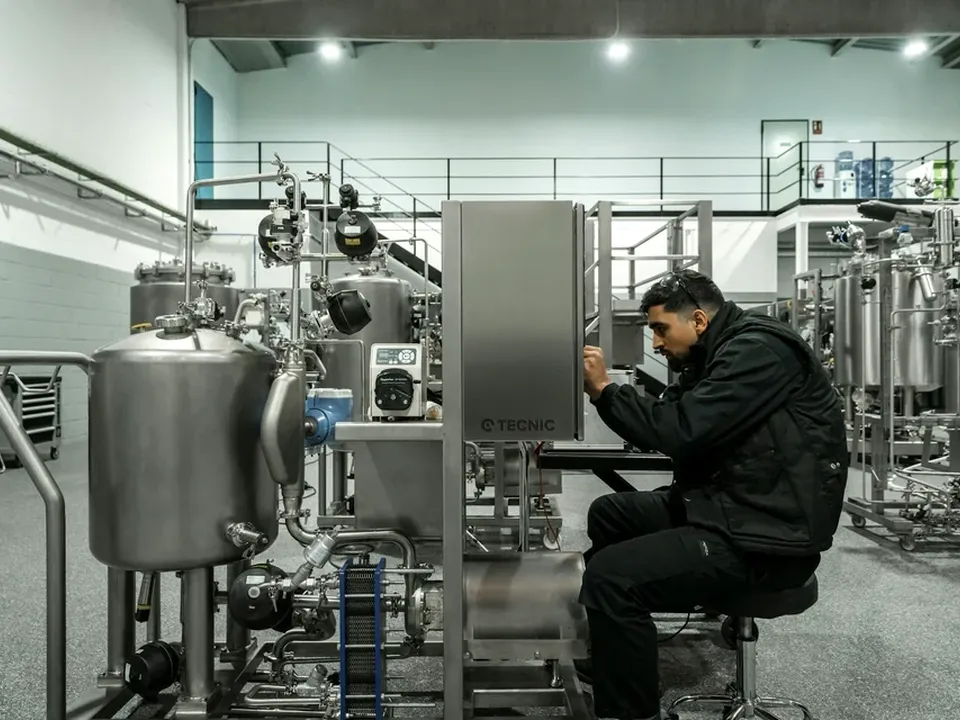
ISO 55001:2024 Asset Management Systems Foundation Level Training and Certification Program
Build an understanding of asset management using ISO 55001:2024. Participants connect asset value, lifecycle decisions and aligned performance evidence with responsibilities and performance measures. Exercises based on a utilities…
- Category
- Management Systems and Auditing
- Delivery region
- Saudi Arabia, GCC and MENA
Programme Summary
Build an understanding of asset management using ISO 55001:2024. Participants connect asset value, lifecycle decisions and aligned performance evidence with responsibilities and performance measures. Exercises based on a utilities infrastructure asset portfolio case develop requirement interpretation, evidence selection and gap recognition. The programme establishes a foundation for balanced asset performance, risk and expenditure over time and further implementation or auditor development.
Training Objectives
1 Explain asset management requirements; 2 Connect requirements with operational responsibilities; 3 Recognise unsupported lifecycle investment decisions; 4 Select relevant implementation evidence; 5 Prepare for further practical development.
Learning Outcomes
1 Connect asset objectives with organisational value; 2 Apply lifecycle decision criteria; 3 Identify asset information requirements; 4 Evaluate asset performance and risk evidence; 5 Prioritise asset management improvement actions.
Target Audience
Asset Managers; Asset Strategy Managers; Maintenance Managers; Infrastructure Managers; Management System Coordinators.
Target Industries
Electricity Utilities; Water Utilities; Transport Infrastructure; Industrial Manufacturing; Property Asset Portfolios.
Course Contents
- Module 1 Standard Purpose and Practical Application: Management system purpose and intended outcomes; Requirement guidance and evidence distinctions; Course case scope and learning responsibilities.
- Module 2 Asset Value Context and System Scope: Assets portfolios and organisational boundaries; Stakeholder value and organisational objectives; Asset management scope and intended outcomes.
- Module 3 Leadership and Strategic Asset Alignment: Asset policy and accountable decision ownership; Strategic asset management planning; Objectives aligned with organisational priorities.
- Module 4 Asset Decision Making Framework: Performance risk and expenditure trade offs; Decision criteria and value realisation; Financial and non financial evidence.
- Module 5 Asset Risks and Lifecycle Planning: Asset risks opportunities and criticality; Lifecycle plans and resource requirements; Long term demand and service objectives.
- Module 6 Asset Information and Knowledge: Information requirements and reliable asset records; Data quality and information governance; Knowledge competence and communication arrangements.
- Module 7 Lifecycle Operations and Delivery Controls: Acquisition operation maintenance and disposal interfaces; Controlled changes and outsourced asset activities; Operational planning and accountable execution.
- Module 8 Asset Performance and Decision Review: Performance indicators and monitoring arrangements; Evaluating asset and management system effectiveness; Decision feedback and learning from outcomes.
- Module 9 Asset Assurance and Continual Improvement: Internal audit and management review; Corrective action and predictive learning opportunities; Maintaining alignment as asset needs change.
- Module 10 Interpreting Requirements in Context: Mandatory requirements and proportionate application; Interfaces with applicable legal obligations; Supported judgements and unresolved interpretation issues.
- Module 11 Selecting Relevant Management System Evidence: Strategic asset management plans; Asset information and lifecycle records; Asset performance and risk reports.
- Module 12 Foundation Application Workshop: Map responsibilities within the supplied case; Match controls to relevant requirements; Explain gaps and practical next steps.
Assessment
- 60 single best answer questions, including applied scenarios; one mark per question.
- 90 minute invigilated digital examination with identity verification. Approved accessibility adjustments preserve the assessed competence.
- Clean standard text and supplied case documents permitted; internet, messaging and external AI tools prohibited.
- Individual applied assessment (45 minutes): Using a supplied utilities infrastructure asset portfolio case, produce an asset decision map and management objectives, link three controls to relevant requirements and explain one unresolved weakness.
- Assessment criteria: Accurate interpretation of asset management requirements; Relevant use of strategic asset management plans; Clear connection between controls responsibilities and identified gaps.
- Pass each component separately: 45/60 written marks (75%) and at least 70% on the applied task.
- All mandatory criteria must pass: Do not fabricate evidence or knowingly present unsupported conformity conclusions.
- Individual results and feedback are provided. One reassessment may follow coaching under the published enrolment terms.
Certification
- Successful learners receive a TQCSI Arabia digital Certificate of Successful Completion.
- The certificate records the learner name, exact programme title, teaching hours, completion date and unique verification reference.
- Verified identity, full attendance and separate written and applied passes are required; all mandatory critical criteria must be met.
- Proposed issue target: within 30 calendar days of approved results and settlement of applicable fees.
- Records assessed foundation knowledge of asset management; it does not establish professional auditor status, independent personnel certification or organisational certification.
- Attendance confirmation may record completed hours for unsuccessful learners; it does not certify successful completion.
Programme Profile
- Number of daysNumber of daysNumber of days
- 333
- Total teaching hoursTotal teaching hoursTotal teaching hours
- 18 hours; breaks, pre course work and formal final assessments excluded.18 hours; breaks, pre course work and formal final assessments excluded.18 hours; breaks, pre course work and formal final assessments excluded.
- Delegates allowedDelegates allowedDelegates allowed
- Maximum 20 delegates.Maximum 20 delegates.Maximum 20 delegates.
- Training prerequisitesTraining prerequisitesTraining prerequisites
- No formal qualification required. Familiarity with asset management activities and everyday business processes is recommended.No formal qualification required. Familiarity with asset management activities and everyday business processes is recommended.No formal qualification required. Familiarity with asset management activities and everyday business processes is recommended.
- Pre course assignment and assessmentPre course assignment and assessmentPre course assignment and assessment
- Complete a 20-minute diagnostic and identify how strategic asset management plans support a supplied operational case.Complete a 20-minute diagnostic and identify how strategic asset management plans support a supplied operational case.Complete a 20-minute diagnostic and identify how strategic asset management plans support a supplied operational case.
- End of course assessmentEnd of course assessmentEnd of course assessment
- 60 question written exam (90 minutes) and individual applied task (45 minutes).60 question written exam (90 minutes) and individual applied task (45 minutes).60 question written exam (90 minutes) and individual applied task (45 minutes).
- Passing criteriaPassing criteriaPassing criteria
- 75% written and 70% applied, passed separately; full attendance. All mandatory criteria must pass.75% written and 70% applied, passed separately; full attendance. All mandatory criteria must pass.75% written and 70% applied, passed separately; full attendance. All mandatory criteria must pass.
Related Training Programme Options
Continue exploring services and programmes in the same specialist category.
 Training Programme
ISO 55001:2024 Asset Management Systems Internal Auditor Training and Certification Program
Develop the skills to conduct focused internal audits of asset management against ISO 55001:2024. Participants practise planning, interviewing…
 Training Programme
ISO 55001:2024 Asset Management Systems Lead Implementer Training and Certification Program
Practise leading a structured asset management implementation project against ISO 55001:2024. Working through a utilities infrastructure asset…
 Training Programme
ISO 55001:2024 Asset Management Systems Lead Auditor Training and Certification Program
Develop the planning, evidence evaluation and team leadership skills needed for asset management audits against ISO 55001:2024. A utilities…
Discuss ISO 55001:2024 Asset Management Systems Foundation Level Training and Certification Program
Tell us about your scope, locations and intended timeframe for a focused response from TQCSI Arabia.